
Fishen Fishen

What is a Vertical Milling Center and How Does It Work?

Time:2026-06-01 Author:Aria
0%

In modern machining, the Vertical Milling Center is a crucial tool. It enhances precision and efficiency in production processes. According to a report by Market Research Future, the CNC milling market is projected to grow at a compound annual growth rate (CAGR) of 5.4% from 2020 to 2027. This growth underscores the rising demand for advanced machining technologies.

The Vertical Milling Center stands out due to its versatility and ability to handle complex tasks. It operates by moving a workpiece against a rotating cutter, allowing for intricate designs. However, not all operations maximize its potential, leading to wasted resources. Many companies still struggle with optimization strategies.

Realizing its capabilities requires skilled operators and regular maintenance. Regular training and updates on techniques can significantly improve output quality. Embracing innovations ensures companies stay competitive. Yet, many still rely on outdated practices, which can hinder progress. Investing in vertical milling technology is essential, yet one must reflect on how it is implemented.
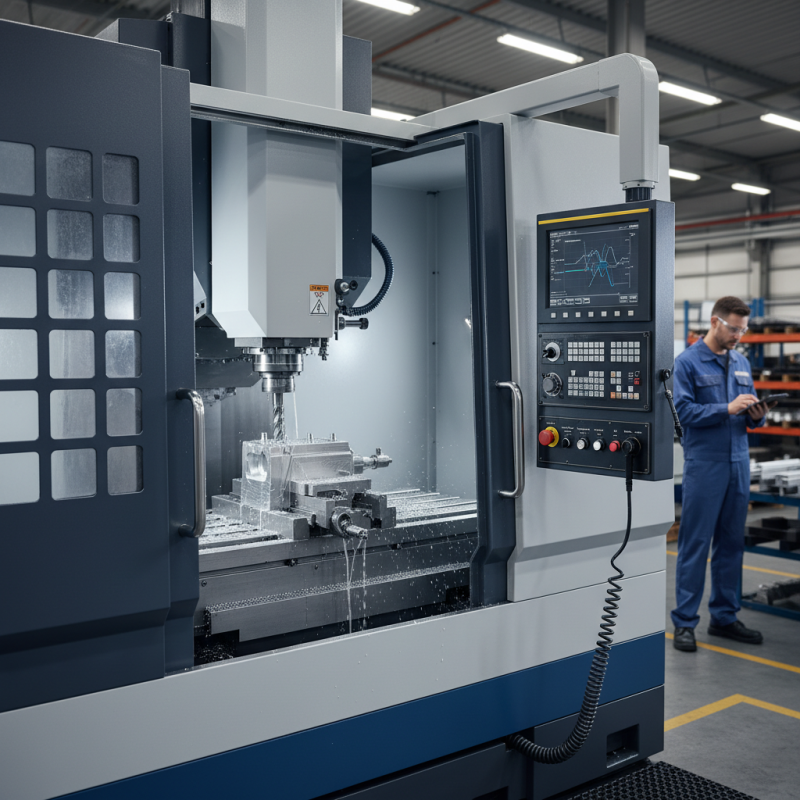
What is a Vertical Milling Center and How Does It Work?

Definition of a Vertical Milling Center and Its Components

A Vertical Milling Center (VMC) is a powerful tool in manufacturing. Its primary function is to mill various materials, such as metal and plastic. The VMC operates with a vertical spindle, allowing smooth cutting and shaping of workpieces. This setup provides precision and flexibility, making it essential in many industries.

Key components of a VMC include the spindle, table, and control system. The spindle holds the cutting tool, rotating it at high speeds. This movement allows for intricate designs and shapes. The table, where the material is placed, can move in multiple directions. This enhances the machine's ability to create complex geometries.

It's important to note that while VMCs are efficient, they require regular maintenance. Issues can arise if not properly cared for. Operators must train effectively to avoid mistakes. Misalignment or incorrect tool selection can lead to waste. Understanding each component's role is crucial for optimal performance. The more experienced the operator, the fewer errors occur.

Principle of Operation for Vertical Milling Centers

Vertical milling centers are vital in modern manufacturing. They operate using a rotating cutting tool to remove material from a workpiece. This process is precise and efficient. Vertical milling centers can create complex shapes and details. Their operation is based on a simple principle: the tool moves up and down along a vertical axis while the workpiece is fed horizontally.

The cutting tool is held in place by a spindle. This spindle can be adjusted to control the depth of the cut. Operators must carefully set the machine parameters. Mistakes in settings often lead to inaccuracies. The machine’s ability to produce fine details requires practice and skill. Operators frequently adjust feed rates and speeds to achieve the desired result.

In a vertical milling center, coolant is often used during the cutting process. This prevents overheating and prolongs tool life. However, managing coolant can be tricky. Excess can lead to clogs, affecting performance. Regular maintenance is essential to keep these machines running smoothly. Operators must balance efficiency with the need for regular checks. This demands both attention and experience.

Key Features and Benefits of Vertical Milling Machines

Vertical milling machines offer unique advantages in precision machining. Their structure supports a vertical spindle, allowing for various cutting tools to be mounted. This orientation facilitates complex operations, such as drilling and contouring, with an accurate depth of cut.

One of the standout features is the ability to handle a wide range of materials. From metal to plastic, these machines adapt well. They also come equipped with advanced controls, ensuring repeatability and reducing human error. However, setting up and recalibrating these machines can challenge operators, demanding skill and experience.

Another benefit lies in the cost-effectiveness. While initial investments might seem high, they ultimately reduce waste and speeds up production. Yet, maintenance is crucial; neglect can lead to significant downtime. Proper training and regular upkeep are essential for maximizing the potential of a vertical milling center.

Applications of Vertical Milling Centers in Various Industries

Vertical milling centers are versatile machines used in various industries. These machines excel in shaping, drilling, and finishing materials like metals and plastics. Their precision makes them ideal for creating intricate parts for aerospace, automotive, and medical applications. In aerospace, for instance, they manufacture components that require tight tolerances. In the automotive sector, they aid in producing parts like engine blocks and transmission cases.

In medical manufacturing, vertical milling centers ensure the production of reliable devices and instruments. Consistency is crucial for the safety and functionality of medical equipment. These machines can handle complex geometries, reducing the need for multiple setups. This enhances efficiency and minimizes potential errors during production.

Tip: Regular maintenance of vertical milling centers is vital for optimal performance. Dull tools can lead to increased production time and compromised part quality. Ensuring tool sharpness and machine calibration can save time and resources.

Many companies overlook the need for operator training. Skilled operators can leverage the full capabilities of vertical milling centers. Investing in training can improve production efficiency and reduce mistakes, leading to higher quality products. Always encourage feedback from operators to identify potential improvements in processes.

Maintenance and Safety Considerations for Vertical Milling Operations

Maintaining a vertical milling center involves several key practices. Regular cleaning is crucial. Metal shavings can accumulate and affect machine performance. Use a vacuum to remove debris and keep the workspace tidy. Checking lubrication levels is also essential. Insufficient lubrication can lead to overheating and wear.

Safety considerations are equally important. Employees should wear appropriate personal protective equipment, such as goggles and gloves. Training on machine operation is vital. Workers should understand the risks involved in milling operations. Emergency stop buttons should be easily accessible and functional. Regularly inspect these components to ensure safety.

A well-organized workspace enhances both safety and efficiency. Tools and materials should have designated places. However, maintaining order can sometimes be overlooked. This may lead to accidents or errors. Reflecting on past events can help improve future practices. Adopting a culture of safety can create a more effective milling environment.

FAQS

: What is a Vertical Milling Center (VMC)?

: A VMC is a manufacturing tool used to mill materials like metal and plastic.

How does a VMC operate?

It operates with a vertical spindle, allowing smooth cutting and shaping of workpieces.

What are the key components of a VMC?

Key components include the spindle, table, and control system, each playing a vital role.

What applications do VMCs serve?

VMCs are used in various fields, including aerospace, automotive, and medical industries.

Why is operator training important for VMCs?

Effective training helps operators understand the machine and reduces errors during production.

What can happen if a VMC isn’t maintained?

Neglecting maintenance can lead to performance issues and increased waste during operations.

How does tool sharpness affect production?

Dull tools can slow production and compromise the quality of parts being made.

What is one common oversight in VMC operations?

Many companies fail to invest enough in operator training, missing efficiency opportunities.

How does feedback help improve VMC processes?

Encouraging feedback from operators can help identify areas for improvement in operations.

Conclusion

A Vertical Milling Center is a precision machining tool characterized by its vertical spindle orientation, used to perform complex milling operations on various materials. The main components include the spindle, table, and control systems, which work together to facilitate the milling process. The operating principle involves the rotation of the milling cutter while the workpiece is securely held on the table, allowing for intricate cuts and shapes to be made with high accuracy.

Vertical Milling Centers offer numerous benefits, including enhanced precision, versatility, and the capability to produce detailed parts. They find application across diverse industries such as aerospace, automotive, and manufacturing, where detailed machining is crucial. Regular maintenance and adherence to safety protocols are essential to ensure the longevity and safe operation of these machines, making them a vital asset in modern machining environments.

Aria

Aria

Aria is a dedicated marketing professional with a deep passion for innovative strategies and a keen understanding of our company's product offerings. With a wealth of experience in the industry, Aria excels at crafting engaging content that highlights the unique features and benefits of our......